Devesh
Sinha.
15+ years turning complex enterprise problems into interfaces people actually use — and shipping the code myself.
Ask Devesh
Responds as Devesh — AI-powered
Have a question about my work or background? Ask away.
Selected Work
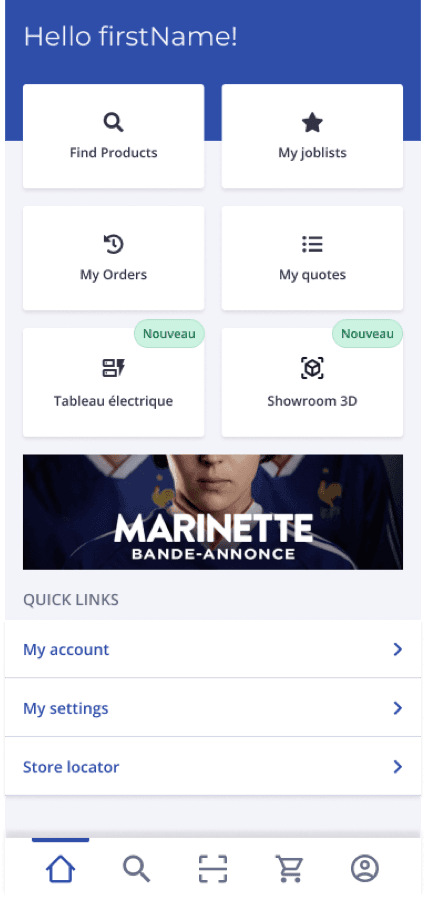
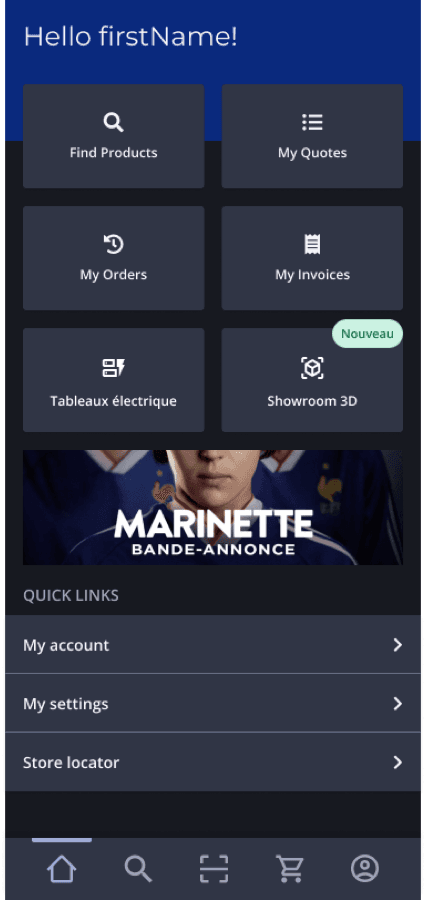
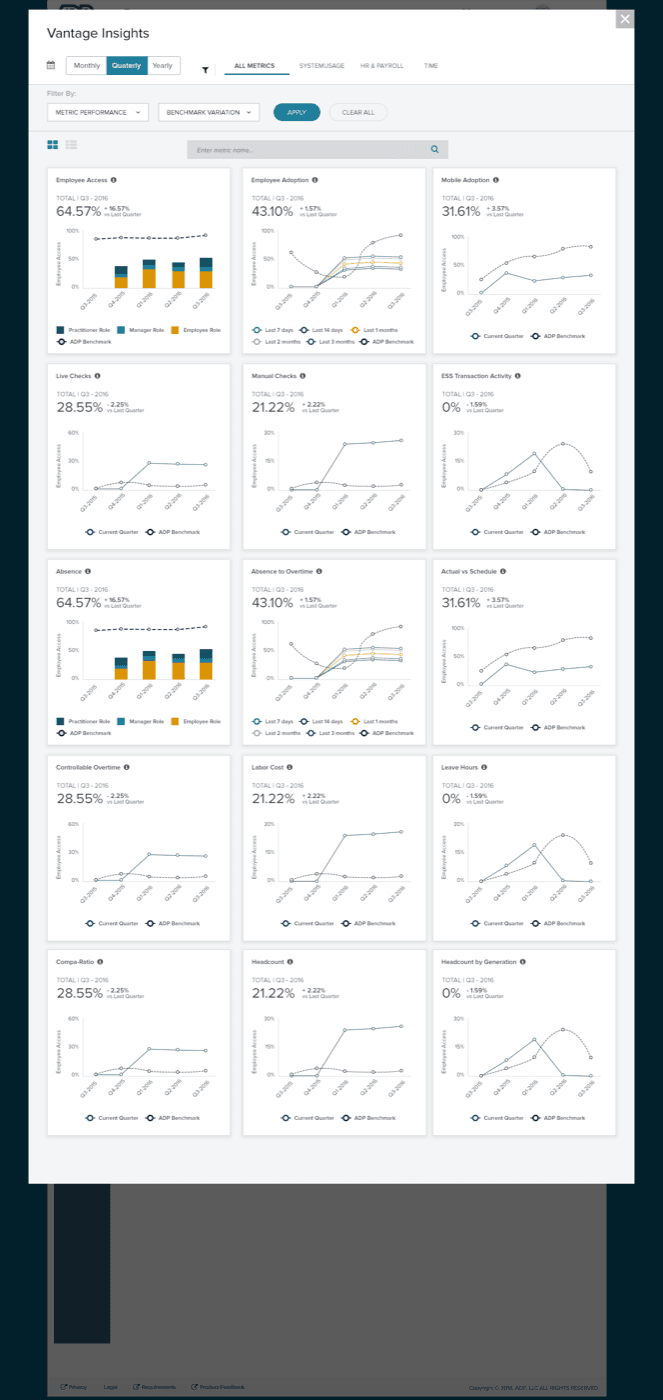
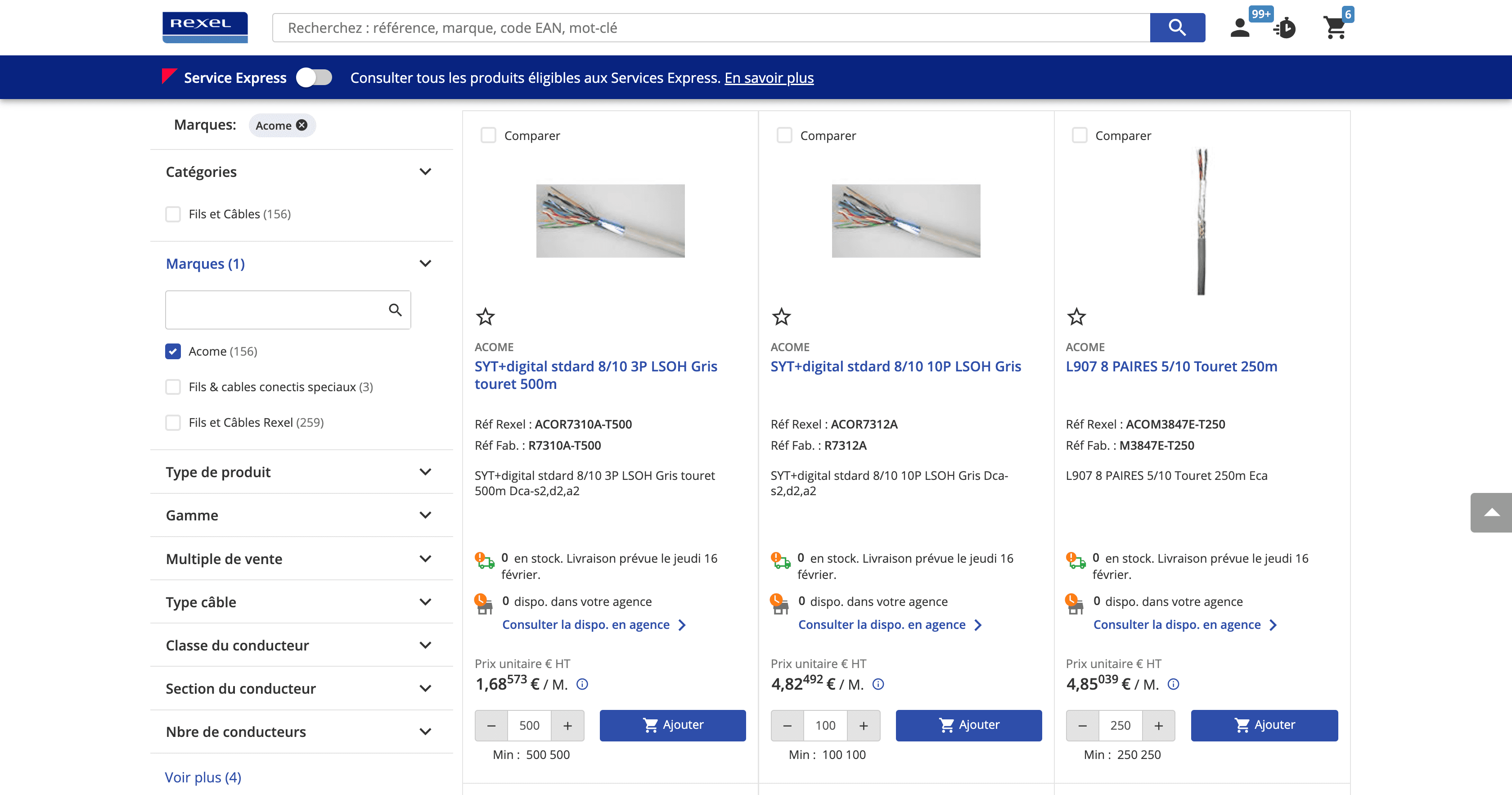
9 case studies.
Real constraints.
Enterprise UX is won or lost in the details that don't make it into presentations. These case studies show the real work.

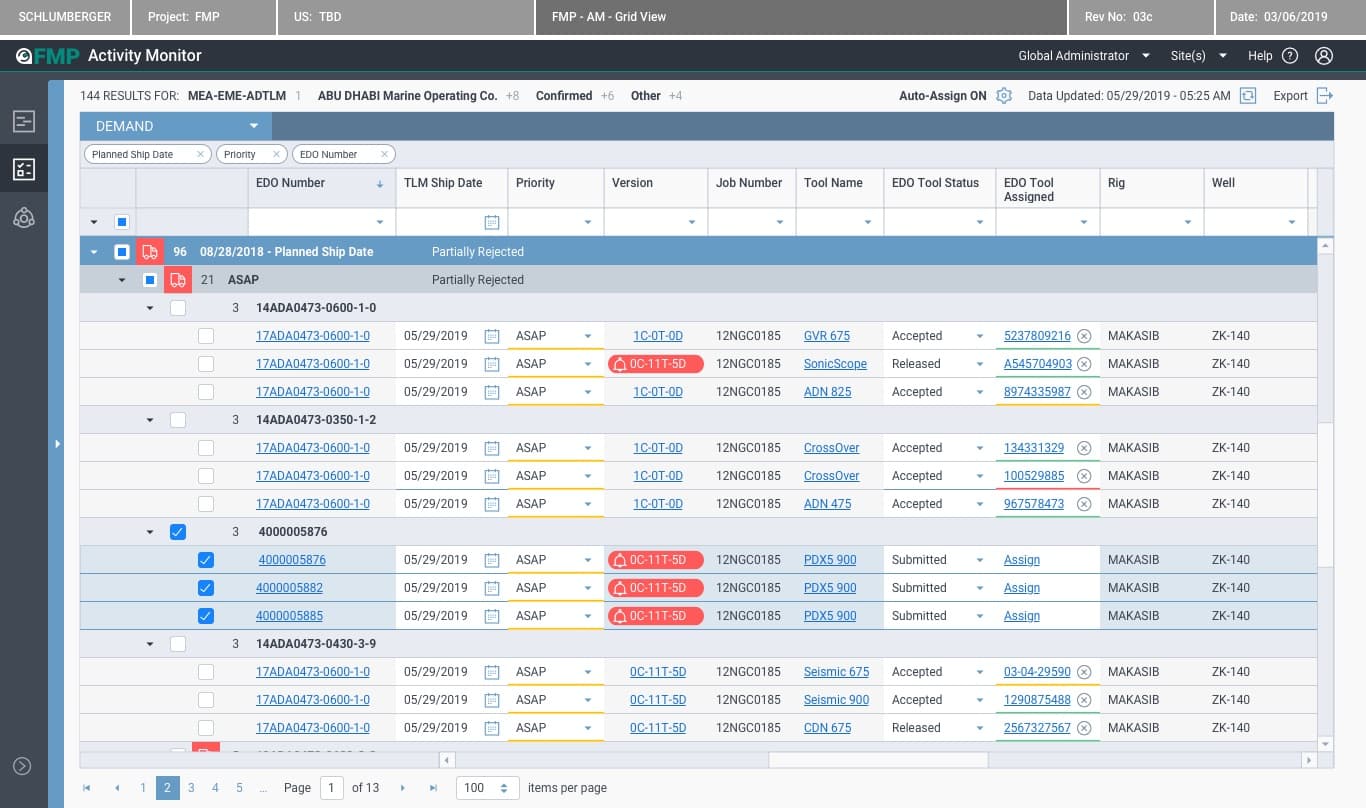
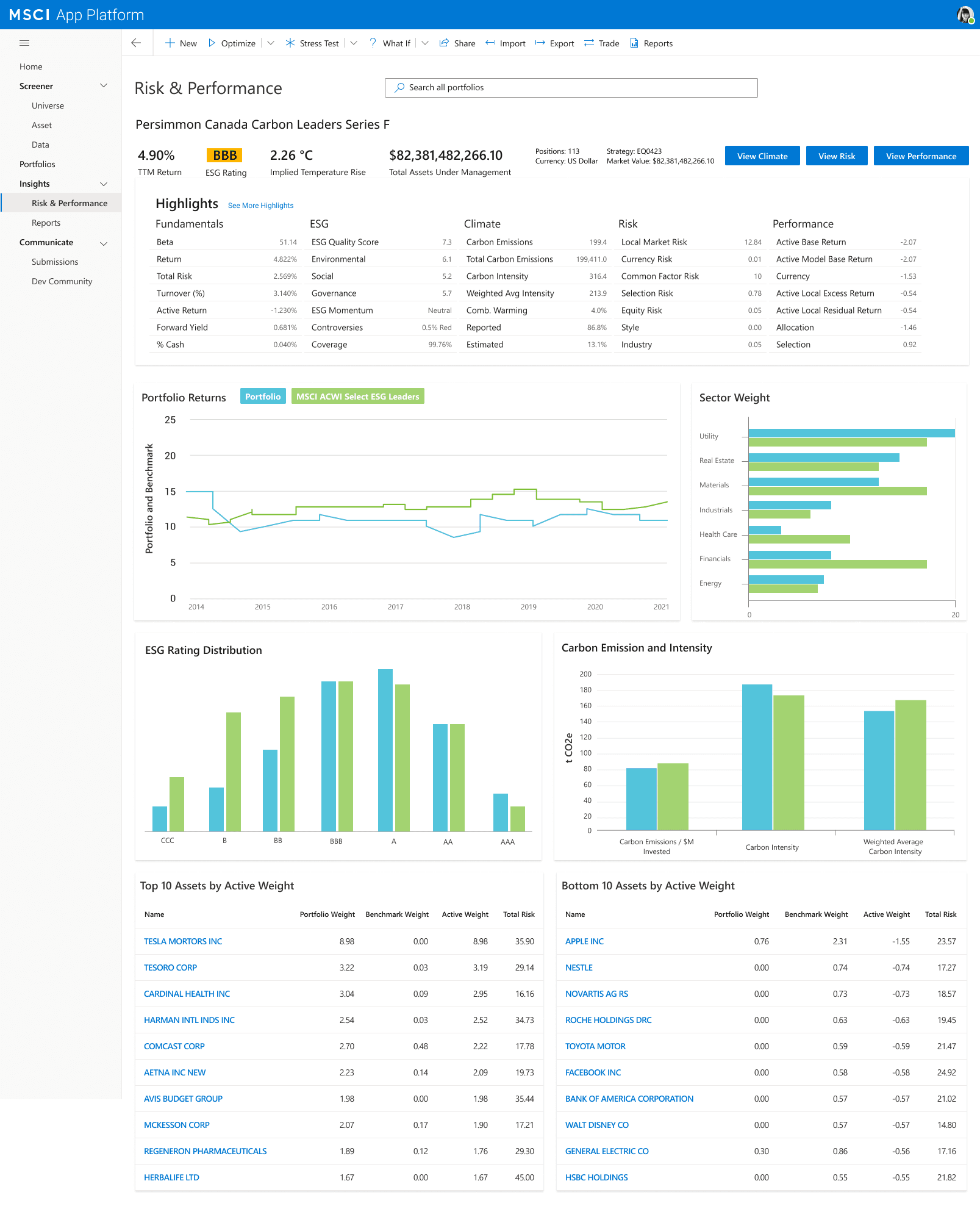

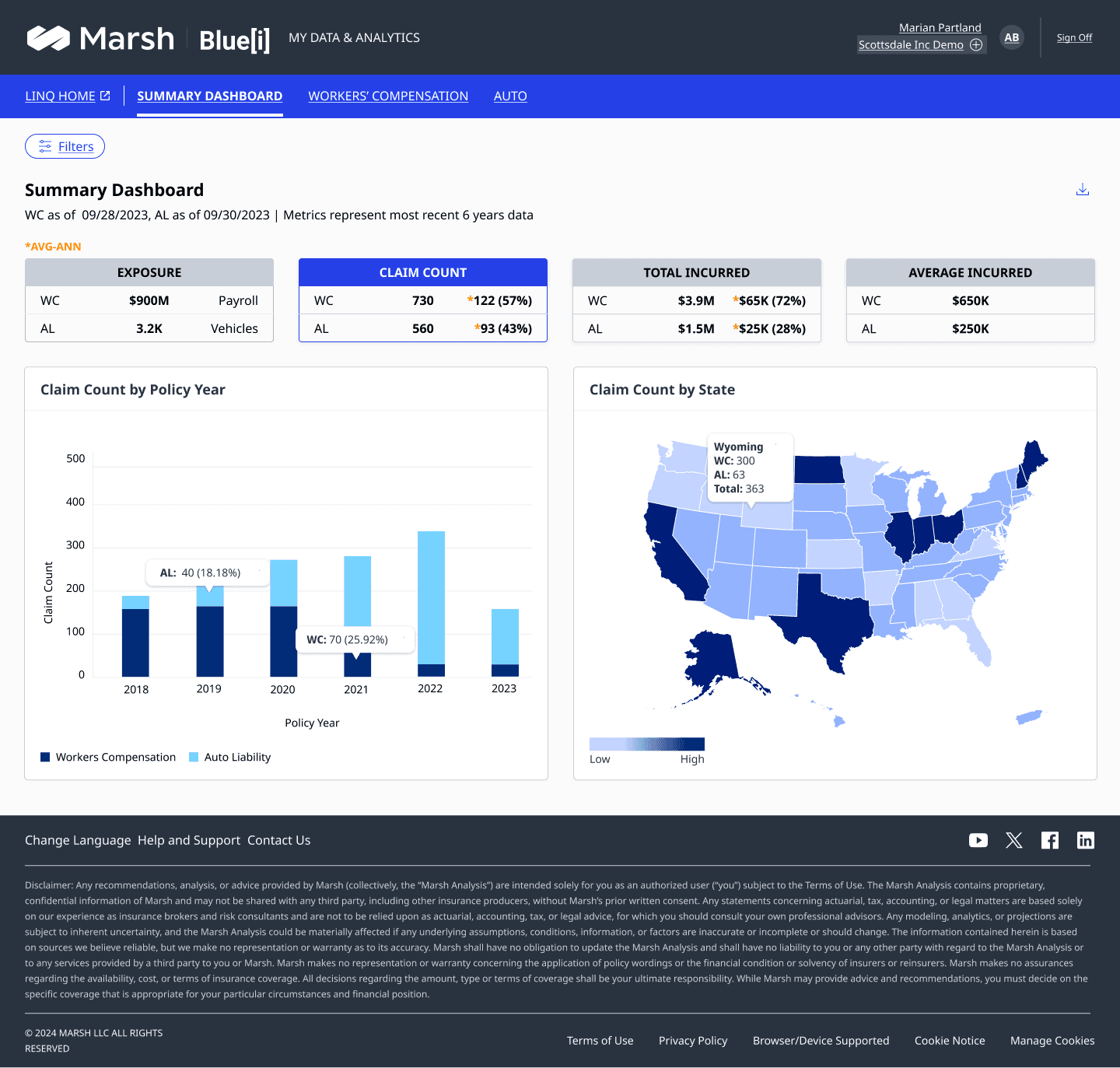

Available Now
15+
Years experience
6
Enterprise domains
7
Companies
60K+
Users impacted
About
The designer who
ships code.
I've spent 15+ years inside some of the most demanding enterprise environments in the world — oil fields, trading floors, insurance ops centers, and B2B supply chains. The problems I solve aren't abstract. They're the ones where bad UX costs real money or slows down real work.
What makes me unusual is that I don't stop at the handoff. I use AI-assisted workflows — specifically Claude Code — to vibe-code my Figma designs directly into production-ready frontend components. Faster delivery, less implementation drift, and a designer who's an active partner in engineering sprints.
I work best with teams who want UX to be a strategic driver — where design decisions are tied to business outcomes and the work actually ships.
The Differentiator
The designer
who ships code.
Most designers hand off a Figma file and wait. I use Claude Code to convert my designs directly into production-ready frontend components — collapsing the handoff cycle, eliminating implementation drift, and making UX an active delivery partner in engineering sprints.
At Marsh McLennan, this workflow personally accelerated legacy UI migration across a 5-product claims portfolio — demonstrating a new model for how senior UX contributes to delivery.
Design in Figma
Full-fidelity components with variables, tokens, and responsive specs — built for engineering handoff.
Vibe-code with Claude
Using Claude Code's AI-assisted workflows, Figma designs are converted directly into production-ready React components.
Ship alongside engineering
No handoff lag. No implementation drift. UX is an active delivery partner in the sprint — not just a spec provider.
// Figma → Claude Code → Production React
export default function ClaimsCard() {
return (
<Card variant="claims" status="active" />
)
}
On the Craft
Designers don't compete with AI agents.
They direct them.
The interesting question isn't whether AI changes design — it's how the designer, the agent, and the client now work together. Here's the relationship that's emerging.
The Shift
The handoff is collapsing.
Designer hands off a static mockup.
- 1Design in Figma
- 2Annotate, document, hand to engineering
- 3Wait 2 weeks for the build
- 4Discover what was lost in translation
- 5Iterate. Wait again.
Cycle time: weeks
Designer ships working software with the agent.
- 1Design in Figma
- 2Direct the agent to translate it to code
- 3Working software in the same session
- 4Client sees the real thing, not a mockup
- 5Iterate at conversation speed
Cycle time: hours
Three Principles
How designers should operate in this model.
01
Direct, don't draft
Your job is to specify intent — precisely, with judgment. The agent handles the typing, the boilerplate, the syntax. You hold the brief.
02
Iterate at conversation speed
When feedback takes hours instead of weeks, you ship 10× more variations. Quality goes up because the cost of trying something drops to nearly zero.
03
Stay the source of truth
The agent executes. The taste, the judgment, the user empathy, the accountability — those stay human. That's the part nobody else can hold.
Proof
This isn't theory.
It's already how I work.
At Marsh McLennan · 2025 – Present
Pioneering an AI-assisted design-to-code workflow.
Figma designs converted into production-ready React components directly, using Claude Code — collapsing handoff cycles that used to take weeks into the same sprint they were designed in.
This very portfolio
Built end-to-end with Claude Code as my pair.
Every case study, every component, every animation on the site you're reading was designed by me and shipped through Claude Code as a working session. No handoff. No developer. Same designer, accelerated.
The website you're reading right now is the proof of concept.
The Signal · Week of July 13, 2026
What's worth a designer's attention this week.
A curated read of AI launches and design writing, filtered from first-party sources. Updated every Monday.
This week in AI
- AnthropicJul 18
Claude Sonnet 5: Opus-class agents at Sonnet prices
Sonnet 5 lands at $2/$10 introductory pricing and finishes multi-step agent tasks that previous Sonnets stalled on.
- Mistral AIJul 18
Mistral OCR 4 returns bounding boxes, not just text
Mistral OCR 4 ships bounding boxes, block types, and per-word confidence scores at $2 per 1,000 pages in batch mode.
- Mistral AIJul 18
Mistral moves coding agents off the laptop
Mistral Medium 3.5 powers Vibe's cloud coding agents: sessions run in parallel, open PRs, and notify you when done.
- GoogleJul 16
Google Vids adds Gemini Omni and personal avatars
Google Vids now generates clips from a sketch and edits them by chat, and lets you star as an avatar built from a selfie.
- AnthropicJul 18
Claude Science: an AI workbench for researchers
Anthropic's Claude Science ships every figure with the code, environment, and message history that produced it.
What I'm reading
- Nielsen Norman GroupJul 17
When a dropdown is the wrong control
Dropdowns feel tidy to designers and cost users three clicks, a scroll, and the option they were actually looking for.
- Nielsen Norman GroupJul 17
Don't outsource the learning to AI research tools
The report isn't the point. The team watching the session is — and that's the part AI can't hand you.
- Growth.DesignJul 18
Labor perception: when slower feels more trustworthy
HubSpot importing 287,539 contacts in 0.01 seconds doesn't feel fast — it feels broken. The case for designing visible work.
Drafted by Claude, reviewed on merge, sourced only from first-party newsrooms and long-established publications.
All weeks →Credentials
Certified. Validated.
Industry credentials across UX methodology, design practice, and agile product delivery.
Certified Usability Analyst
Human Factors International · 2019
Advanced certification in usability testing methodology, heuristic evaluation, and user-centered design processes.
Google UX Design Certificate
Google · 2020
Comprehensive UX design program covering the full design process — from research and wireframing to prototyping and testing.
Certified Scrum Product Owner
Scrum Alliance · 2020
Scrum Alliance certification in product ownership — backlog management, stakeholder alignment, and agile delivery.
Education
Bachelor of Design — Communication Design
Symbiosis Institute of Design, Pune, India · 2009
Let's Talk
Let's build something
that actually works.
I'm open to senior product design roles, contract engagements, and advisory work — especially in financial services, enterprise SaaS, and complex operational domains.